
CAPE ST. GEORGE LIGHT TO HOST FEBRUARY SUNSET AND FULL MOON CLIMB
February 1 @ 6:15 pm - 8:15 pm
- This event has passed.
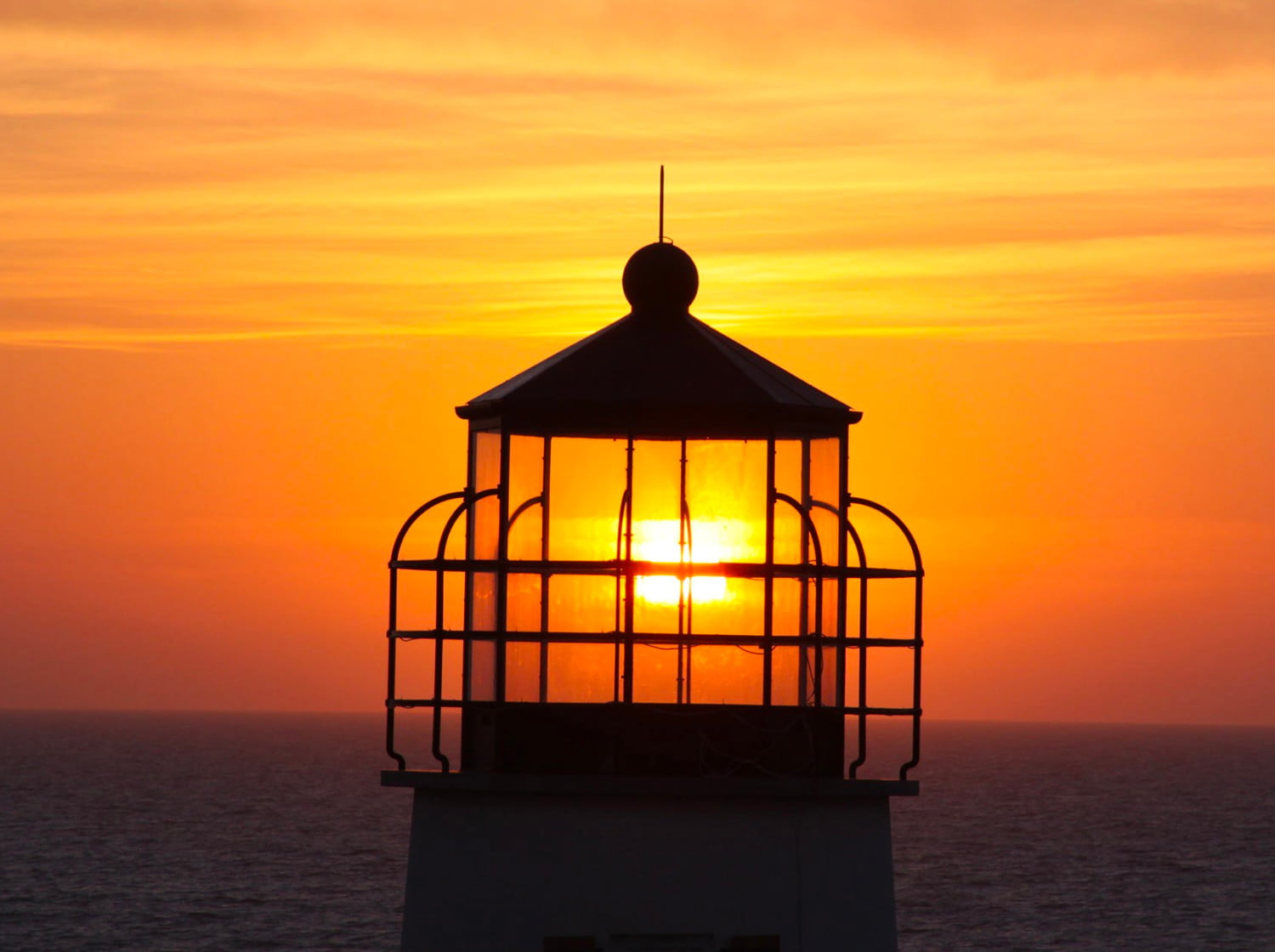
CAPE ST. GEORGE LIGHT TO HOST FEBRUARY SUNSET AND FULL MOON CLIMB
Sunday, February 1, 2026 | 6:15–8:15 p.m. | St. George Island, Florida
ST. GEORGE ISLAND, FL – Experience the beauty of St. George Island under the glow of the full moon! The St. George Lighthouse Association will host its February Sunset and Full Moon Climb on Sunday, February 1, 2026, from 6:15 to 8:15 p.m.
Event Highlights
• Sunset at 6:18 p.m.
• Moonrise at 6:14 p.m.
Climb Details
• Time: 6:15 p.m. to 8:15 p.m.
• Tickets: Tickets can be purchased beginning at 5:45 p.m. in the Lighthouse Gift Shop,
No advance reservations will be accepted.
• Cost: General Public – $10.00 per climber; SGLA Member – $7.00 per climber
• Payment: Cash and credit cards are accepted.
• Format: Fifteen-minute lighthouse climbs are offered on a first-come, first-served basis.
• Capacity: Each time slot is limited to 12 climbers to ensure safety and comfort.
Visitor Requirements
• All climbers must be at least 40 inches tall.
• For safety reasons, only children aged 13 and older may access the exterior catwalk.
Location – The Cape St. George Light is in Lighthouse Park at the center of St. George Island – End of Island Drive (off the bridge) at Gulf Beach Drive.
How to Participate
1. Arrive at Lighthouse Park and park in lots on either side of the park.
2. Visit the Gift Shop (opening at 5:45 p.m.) to purchase your climb ticket.
3. Proceed next door to the lighthouse tower and sign up with the lighthouse keeper for your
preferred 15-minute climb time.
4. Prepare for an unforgettable experience of sweeping panoramic views of Gulf waters and island shores.
Weather Permitting – The Sunset and Full Moon Climb is weather permitting. In the event of inclement conditions, updates will be posted on the St. George Lighthouse, Museum & Gift Shop Facebook page.
About the Snow Moon
The February full moon, often called the “Snow Moon,” was named by early Native American tribes and European settlers who associated it with abundant snowfall in the Northern Hemisphere. Some North American tribes named it the Hungry Moon due to the scarce food sources and hard hunting conditions during mid-winter, while others named it Bear Moon, referring to bear cubs being born this time of year. Celtic and Old English names for the February Full Moon are Storm Moon and Ice Moon.

Lodging Info Request
Receive special offers from lodging providers for your trip to Florida's Forgotten Coast.

Get the Newsletter
Want to learn more about Florida's Forgotten Coast? Get our monthly newsletter packed full of upcoming events, special offers and more.